


Key Takeaways
- Liquid cooling is significantly more efficient than air cooling because liquids can carry away much more heat than air per unit of volume.
- Transitioning to advanced cooling methods reduces the overall energy consumption of a data centre, leading to lower operational costs.
- Modern cooling solutions allow for higher rack density, meaning more computing power can be packed into a smaller physical footprint.
Introduction
As the demand for high-performance computing and artificial intelligence continues to rise, traditional air-cooling methods are reaching their physical limits. The sheer amount of heat generated by modern processors often exceeds what standard fans and air conditioning units can manage effectively. This is where data-centre liquid cooling becomes essential for maintaining the health and longevity of expensive hardware. By moving away from inefficient air-based systems, facilities can achieve much lower temperatures while using a fraction of the power required by conventional chillers. This shift is necessary for any facility looking to support the next generation of hardware.
1. The Science Behind Liquid Cooling
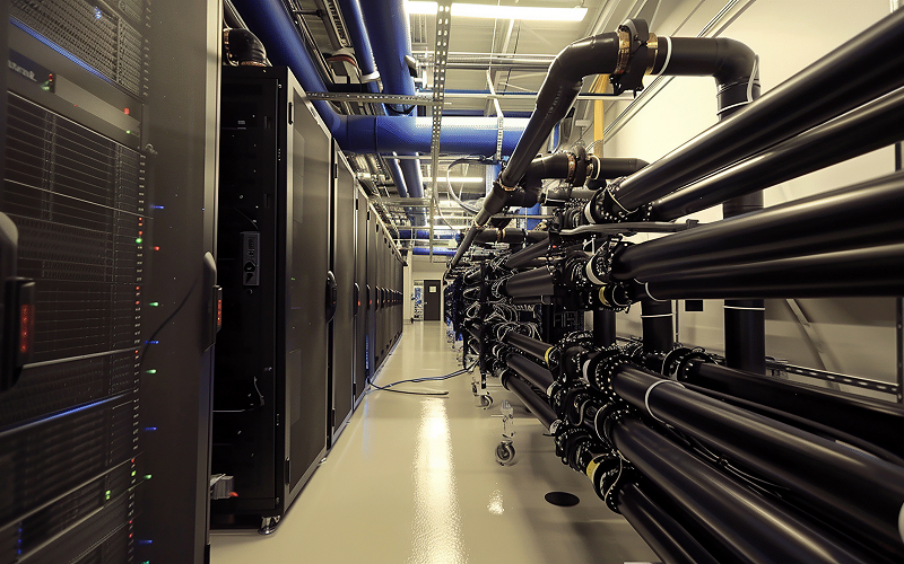
The primary reason to switch to liquid-based systems is the superior thermal conductivity of water or specialised coolants compared to air. In a liquid-cooled setup, the coolant is brought directly to the components that generate the most heat, such as the Central Processing Unit (CPU) or Graphics Processing Unit (GPU). This targeted approach prevents heat from ever entering the ambient air of the room, which makes the entire facility easier to manage. This method is not only more effective but also much quieter, as it eliminates the need for thousands of high-speed industrial fans spinning simultaneously.
2. Implementing a Rear Door Heat Exchanger
For facilities that are not ready for a full immersion setup, a rear door heat exchanger offers a highly effective middle ground. This device replaces the standard rear door of a server rack with a large radiator-like coil. As hot air is exhausted from the servers, it passes through the chilled coils, which absorb the heat before the air even enters the room. This “chilled at the source” approach allows existing data centres to handle much higher power loads without needing to redesign the entire building’s ventilation system. It is a non-intrusive way to significantly boost the cooling capacity of an older facility.
3. Reducing the Environmental Footprint
Sustainability has become a major focus for the technology industry worldwide. Traditional cooling systems are notorious for their high energy consumption and reliance on large amounts of water for evaporative cooling. By adopting data-centre liquid cooling, organisations can significantly improve their Power Usage Effectiveness (PUE) rating. This shift not only lowers the monthly electricity bill but also helps companies meet their corporate social responsibility and carbon reduction goals. It is a rare win-win scenario where the more environmentally friendly option is also the most technically superior and cost-effective over the long term.
4. Enhancing Hardware Reliability
Heat is the primary enemy of electronic components. Constant thermal stress leads to a phenomenon known as “throttling,” where a processor slows down its clock speed to prevent itself from melting. Over time, this heat also degrades the delicate circuits, leading to premature hardware failure and increased maintenance costs. Advanced cooling solutions like the rear door heat exchanger provide a much more stable thermal environment, which extends the life of the servers and ensures consistent performance. By investing in better cooling today, facilities avoid the high costs of frequent hardware replacements and unexpected system crashes tomorrow.
Conclusion
The era of relying solely on air cooling for intensive computing is coming to an end. Technologies like data-centre liquid cooling provide the efficiency and power necessary for the next generation of digital infrastructure. By making the switch now, data centre operators can ensure their facilities remain competitive, sustainable, and reliable in an increasingly demanding market. Protecting your hardware from heat is the most important step you can take to secure your long-term operational success. Embracing these innovations ensures that your facility can grow and adapt to the future of technology.
Contact Canatec to explore the latest innovations in thermal management and find the ideal cooling solution for your data centre.